Evolution Of Defiance In Punjabi Women’s Literature
Moving beyond mere romantic lamentations, contemporary female Punjabi writers document the deep scars of partition, state oppression, and deeply entrenched patriarchal structures
Madiha Arsalan Haneef
Friday Times, June 7, 2026
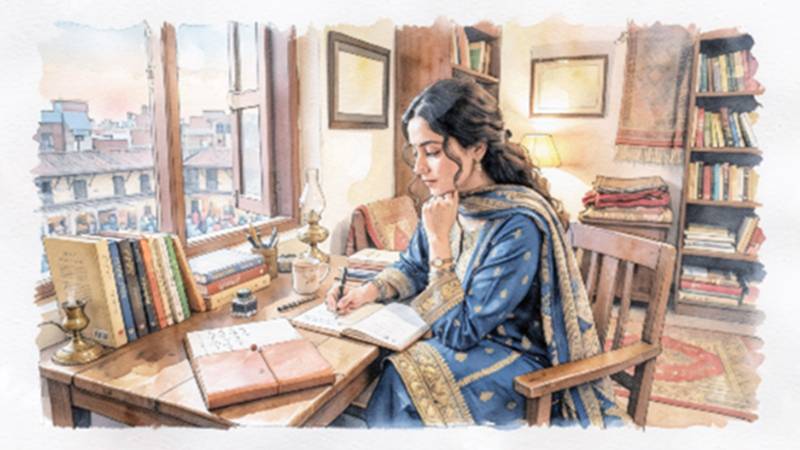
For approximately 550–600 years, the meadows of Punjab have been echoing with the legends of Heer, Sahiban , and Sohni—women whose rebellions were appraised by the profundity of their romantic devoutness. But in the hands of modern Punjabi women poets, these archetypes have been stripped of their tragic ends and refurbished in the accoutrements of political defiance. From Amrita Pritam’s haunting call to Waris Shah in 1947 to Nasreen Anjum Bhatti’s visceral, evocative feminist and progressive themes, the female voice in Punjabi literature has shifted from the walled gardens to the vanguards.
From the beloved of folklore, the contemporary Punjabi woman writer has become the main archivist of the state’s non-fulfilments in striking gender and age equity, using her mother tongue to trace the scars of partition, patriarchy, and power. By entwining Sufi egalitarianism with modern feminist indignation, these writers have ensured that the Punjabi language remains what it has always been at its core: the defiant sound of the suppressed.
Amrita Pritam (1919–2005) is the most iconic figure in this category. Her work bypassed polite societal expectations to address the raw trauma of women’s bodies and minds during political upheaval. She challenged the traditional role of women through her bold exploration of female desire and autonomy in novels like Pinjar .
Consider the work Ajj Aakhaan Waris Shah Nu (Today I Invoke Waris Shah). Written in the onslaught of the 1947 Partition, this is her most famous poem. It is a serious indictment of violence against women and a call for the legendary 18th-century poet Waris Shah to rise from his grave. Amrita critiques the men of her time by contrasting them with the past; while Waris Shah immortalised the tragedy of one woman (Heer), she calls upon him to witness the organised displacement and slaughter of millions of daughters.
اج آکھاں وارث شاہ نوں کِتوں قبراں وچوں بول تے اج کتابِ عشق دا کوئی اگلا ورکا پھول اک روئی سی دھی پنجاب دی تُوں لکھ لکھ مارے وین اج لکھاں دھیاں روندیاں توں وارث شاہ نوں کہن
(Today I call upon Waris Shah, speak from your grave!
And turn today a new page in the Book of Love.
When one daughter of Punjab wept,
you wrote a thousand dirges,
Today, millions of daughters are weeping and calling out to you)
Based in Pakistan, Afzal Tauseef (1936–2013) was a powerhouse of political resistance. A leftist intellectual and daughter of the soil, her work often landed her in trouble with various regimes, yet she never faltered. Her defiance was unique, blending feminist consciousness with anti-colonial and anti-feudal politics. She was a vocal advocate for the Punjabi language, viewing its suppression as a form of cultural erasure.
By entwining Sufi egalitarianism with modern feminist indignation, these writers have ensured that the Punjabi language remains what it has always been at its core: the defiant sound of the suppressed
In the work Lalli di Chithi (Lalli’s Letter) & Political Aphorisms , she captures the trauma of displaced people and the absurdity of borders defined in blood. During the era of General Zia-ul-Haq, she was an active member of the Movement for the Restoration of Democracy (MRD), and her writing during this time was clear and defiant.
ایس دھرتی دے ٹوٹے کیتے گئے، پر روحاں نوں کینج ونڈیا جا سکدا اے؟ لکیر کاغذاں تے ہوندی اے، دلاں وچ نہیں نکے۔
(Pieces were made of this land, but how can souls be divided? Lines exist on papers , my dear, not in hearts.)
جیہڑے کہندے نے کہ سچ بولنا گناہ اے، اوہ اصل وچ تہاڈی زبان کٹنا چاہندے نے۔ پر قلم دی سیاہی کدی خشک نہیں ہوندی۔
(Those who say speaking the truth is a sin actually want to cut out your tongue. But the ink of the pen never runs dry)
پنجابی میریاں ساہواں دی بولی اے، ایہ بغاوت دی بولی اے۔ جے میں اپنی ماں دی بولی چھڈ دتی، تے میں اپنی ہوند ہی گوا دیاں گی۔
(Punjabi is the language of my breaths; it is the language of rebellion. If I abandon my mother tongue, I will lose my very I am.)
عورت نوں صرف گھر دی چار دیواری وچ قید کرنا اوہدی روح نوں قتل کرن دے برابر اے۔ اوہ صرف مٹی دی مورت نہیں، اوہ اک زندہ سچ اے۔
(To imprison a woman within the four walls of a house is equivalent to murdering her soul. She is not just a clay statue; she is a living truth.)
Nasreen Anjum Bhatti (1943–2016) was a raw, revolutionary voice in Pakistan whose poetry was deeply rooted in the soil and the struggles of the working class. Writing during eras of dictatorship, her work was a direct challenge to state oppression. She often used the metaphor of the unspoken and blended folk imagery with surrealism and raw revolutionary fervour to represent the proletariat and the marginalised .
Through Main Shamlaat Haan (I am the Commons) , Bhatti reimagined the female body and folk identity as a site of political dissent. Her work bypasses censors by claiming a basic authority—that she is the land itself, refusing to be tamed.
میں شاملاٹ ہاں، تہاڈے پوتیاں دی لکوی ہار۔۔۔ نہ آٹا پیٹھا جاوے، نہ مکھن گھیو رڑکے، تے نہ ہن بھکھ لگے۔
(I am the commons, your grandchildren's hidden defeat…
No flour is milled, nor butter churned into ghee,
And no hunger is felt anymore.)
کجھ نئیں سی تے میں ہی ساں اپنے آپ نوں ملدی ساں میں مٹی دی کُوک ساں لوکو تھل وِچ پئی تھلدی ساں
(When there was nothing, there was only I, I used to meet my own self.
I was the shriek of the soil, O people, I was the desert, smoldering within the desert.)
Sarwat Mohiuddin cam to be known for her lyrical resistance. Mohiuddin blends Sufi humanism with modern activism. Her work resists the erosion of cultural identity and advocates for peace and human rights. In an environment where the Punjabi language was often associated with the uneducated, her lines are a proud reclamation of class and linguistic identity.
ساڈا ناں نہ پُچھو لوکو، ساڈی ذات نہ پُچھو اسیں مٹی دے جائے آں، ساڈی اوقات نہ پُچھو جیہڑی اگ اسیں بالی اے، اوہ جگ مگ جگ مگ کر دی ساڈے پیراں دے چھالے، تے کالی رات نہ پُچھو
(Do not ask our name, O people, do not ask our caste,
We are the children of the soil, do not ask our status.
The fire we have lit is glowing bright and clear,
Do not ask about the blisters on our feet or the dark night we endure.)
Of Defiance and Devastation: Evaluating Iran’s Survival Against Superior Firepower
Rakhshanda Naveed is a honed feminist voice whose poetry deconstructs the traditional domesticated image of women. She demands intellectual and social autonomy, turning the home into a site of rebellion. Her work captures the moment of defiance when a woman steps outside the Chadar and Chardiwari (the veil and the four walls) and into the public sphere.
میں بوہا کھول کے باہر آئی تے سارا جگ مینو گھورن لگا میں پُچھیا، "اے گناہ اے کی؟" تے ہر کوئی چپ چاپ کِھرن لگا
(I opened the door and stepped outside, and the whole world began to glare at me. I asked, "Is this a sin?" And everyone silently began to scatter.)
Dr Sughra Sadaf, as a scholar and poet, resists the loss of folklore by connecting the wisdom of the Bulleh Shah era to modern struggles for equality. Her work focuses on intellectual and spiritual resilience, suggesting that resistance is the quiet, stubborn preservation of truth.
جیہڑے بُلھ سیپاں وانگوں بند رہندے نیں اوہناں دے اندر سچے موتی ہوندے نیں چپ دی سولی چڑھ کے جیہڑے ہسدے نیں اوہو ای لوک زمانے نوں جِت لیندے نیں
(The lips that remain closed like oyster shells, carry true pearls within them. Those who smile while hanging on the cross of silence, are the ones who ultimately conquer the world.)
The shift from the "Grief of 1947" to the "Defiance of 2026" marks an evolution in how Punjabi women writers engage with power. Below are the pillars of this literary movement:
In the Pakistani context, writing in Punjabi is in itself a revolutionary act. Because the language has historically been sidelined in favour of Urdu and English in formal education, these women resist cultural erasure by using their mother tongue to dismantle the polite silence of middle-class society.
Safia Hayat is a vocal advocate for the language itself. For Safia Hayat, the act of writing in Punjabi is a form of resistance against the cultural erasure of the Punjabi identity in institutional spaces.
میری بولی میرا مان اے، ایہ میری پچھان اے جے میں ایہنوں بھل گئی، تے میں ککھ دی نہیں رہنا ایہ میرے پکھ دی گل اے، ایہ میری روح دی واج اے
( my language is my pride; it is my identity. If I forget it, I will be reduced to nothing. This is a matter of my dignity; it is the voice of my soul.)
Parveen Malik is instrumental in keeping Punjabi journals alive, focusing on the common woman in fields and factories. The movement has moved away from portraying women as silent victims. Modern writers reinterpret traditional tragic romances ( Heer-Ranjha , Sohni- Mahiwal ) to highlight the female protagonist’s agency.
Harleen Singh is researching The Lost Heer to unearth forgotten narratives of women from colonial Punjab.
Dr Sughra Sadaf connects classical Sufi aesthetics with modern egalitarianism.
Many of these women faced state censorship for their leanings towards socialist and democratic ideals.
Farkhanda Lodhi is a master storyteller who exposed the exploitation of the peasantry and feudal double standards. As a master storyteller, Lodhi’s resistance lay in exposing the exploitation of the peasantry and the double standards of the feudal elite. She viewed the struggle for women's rights as inseparable from the struggle of the worker.
روٹی دا سوال ہی سب توں وڈا سچ اے جے کڑی بھکھی اے، تے اوہدی حیا دے معنی بدل جاندے نیں زمیندار دی حویلی وچ، عورت تے مزارع اکو ورگے نیں
(The question of bread is the ultimate truth. If a girl is hungry, the meaning of her "honor" changes. Inside the landlord's mansion, the woman and the peasant share the same fate.)
Shahida Dilawar Shah uses her pen to challenge the status quo and socio-political rights of the people of Punjab and the structural inequalities that define their lives.
حق منگنا جے بغاوت اے، تے اسیں باغی آں اسیں مٹی دے پتر آں، اسیں کدی نہیں ہاردے تہاڈے ظلم دے قلعے کچے نیں ساڈی سچ دی اکو ہوک، ایہناں نوں ڈھیہہ دے گی
(If demanding one's rights is rebellion, then we are rebels.
We are the children of the soil; we never accept defeat.
The fortresses of your tyranny are built on sand,
A single cry of our truth will bring them crumbling down.)
Bushra Ejaz addresses the double colonisation of women—by the state and by the men within their homes. Bushra Ejaz is known for her raw, defiant tone. She frequently addresses how women are colonised twice: first by the political state and second by the patriarchal structures within their own homes.
میں تے اپنی کندھ توں وی ڈردی ساں پر جدوں بولنا سکھیا، تے کندھاں وی ہل گئیاں ایہ جیہڑی چپ دی چادر تسی مینو دتی اے ایہ ہن میرے لئی کفن بن گئی اے
(I used to be afraid of even my own shadow (wall), But when I learned to speak, even the walls began to shake. This veil of silence you have draped over me, Has now become a shroud for my soul.)
The new resistance is existential and psychological, exploring madness, desire, and the stifling nature of domesticity.
Samina Asma explores themes of sexual awakening and the weight of silence in urban Lahore. Samina Asma represents the sophisticated, modern edge of Punjabi fiction. Her work resists the polite silence of middle-class society by addressing female desire and the stifling nature of domesticity.
میں صرف اک گھر دی نوکرانی نہیں ساں میرے اندر وی اک جنگل سی، جیہڑا اگ منگدا سی تسی مینو قید کیتا، پر میری سوچ ہن وی آزاد اے
(I was not merely a servant of the house. Inside me, there was a forest that craved fire. You imprisoned me, but my thoughts remain free.)
Manjit Tiwana is known for bold, avant-garde poetry that deconstructs the ideal feminine image.
Daljeet Tiwana portrays the resilience of women surviving in harsh, feudal agrarian societies.
The latest generation (2010s–2020s) tackles intersectional battles, including Eco-Feminism and Dalit Consciousness.
Nirupama Dutt champions the marginalised , specifically Dalit women and the urban poor.
Ayesha Aslam highlights the systemic cruelty faced by women in feudal structures using a stream-of-consciousness style that captures century-old aches.
ایہ پیڑاں صدیاں پرانیاں نیں، ایہ ساڈے لہو وچ نیں اسیں چپ رہ کے وی سب کجھ کہہ دتا اے ساڈی اکھ دا اتھرو وی اک انقلاب اے
(These pains are centuries old; they are etched in our blood. Even in our silence, we have said everything. Even the tear in our eye is a revolution.)
Hina Kalair: explores the intersection of identity and the modern digital landscape under surveillance.
Forms of resistance include:
Linguistic writing in Punjabi to protest its exclusion from schools and offices.
Using poetry to criticise military regimes, extremism, and class divides.
Reclaiming folk heroines (like Heer) as symbols of autonomy.
Connecting the degradation of the soil/water with the exploitation of women.
Through the works of these women—from the trailblazing Amrita Pritam to modern guardians like Hajweri Bhatti—this legacy continues. Hajweri Bhatti is a scholar and poet whose work is characterised by its deep connection to the classical Punjabi Kafi and Sufi traditions. She uses the dignity and spiritual authority of that tradition to critique modern social injustice and inequality. Her resistance lies in the reclamation of the sacred. By using the language of the Sufis to address modern suffering, she suggests that the struggle for social justice is a spiritual imperative. She resists the modern erasure of roots, arguing that a society that forgets its language loses its moral compass.
اسیں مٹی دے دیوے آں، ساڈی لو بڑی پرانی اے تسی ہنیرا بن کے آئے ہو، ساڈی ایہو کہانی اے جیہڑی سچ دی واج اسیں ماری اے، اوہ کدی نہیں مرنی بھاویں جِنی وی کالی رات ہووے، اسیں کدی نہیں ڈرنی
(We are lamps of clay; our light is ancient and deep. You have come as the darkness; this is our recurring story. The cry of truth we have raised will never perish; No matter how dark the night , we shall never be afraid.)
And Iffat Alvi is known for her modern Nazms (poems) that explore the internal world of the contemporary woman. Her work is a resistance against the standardisation of the feminine experience. She writes about the woman navigating a rapidly changing, often hostile urban world, where the pressure to conform is both external (society) and internal (the digital landscape).
Lahore’s Fauzia Yazdani And Mehr F. Husain Featured In German Newspaper Taz’s Global Women’s Day Series
Alvi’s resistance is existential. She explores the psychological chardivari —the mental four walls—that remain even after the physical ones have been breached. Her work is a refusal to be simplified or translated into a version of womanhood that is convenient for others.
میرے اندر اک شہر وسدا اے، جیہڑا کسے نقشے تے نہیں اوتھے میری مرضی چلدی اے، اوتھے کوئی پہرے دار نہیں تسی میری خاموشی نوں میری ہار سمجھ لیا سی پر اوہ خاموشی ہی میرے انقلاب دی بنیاد سی
(Within me dwells a city that exists on no map; There, my will reigns supreme; there, no sentinels stand. You mistook my silence for my defeat, But that very silence was the foundation of my revolution.)
The Punjabi language remains what it was born to be: the language of the heart, the language of survival, and the defiant shriek of the soil. Their verses march in the streets, a refusal to be silenced, and an enduring archive of the feminine spirit. From the communal grief of Amrita Pritam to the political underground of Nasreen Anjum Bhatti, and finally to the intellectual resilience of Hajweri Bhatti and Iffat Alvi, these women have ensured that the Punjabi language lives on.
Tags: Punjabi women poets , feminist Punjabi literature , Amrita Pritam poetry , Punjabi political resistance , Nasreen Anjum Bhatti , Sufi egalitarianism , Partition literature 1947 , contemporary Punjabi fiction , anti-feudal poetry , Punjabi cultural identity
Share:
Madiha Arsalan Haneef
The writer is the author of Bhadoon and a contributor to leading news outlets, with work spanning education, philanthropy, travel, and creative consultancy.